Infectious diseases in Italy Guidelines for a Multidimensional Geographical Approach
Deterministic thinking has recognised the influence that the environment has on the spread of diseases (A...
View More

Paris, France

Florence D. Hudson
Co-Chair, IDAMR 2026 and IDAMR 2027 and the Organizing Committee
Executive Director, Northeast Big Data Innovation Hub, Columbia University, USA
Dear Esteemed Colleagues,
It is our distinct honor to invite you to participate in the 5th World Congress on Infectious Diseases and Antimicrobial Resistance (IDAMR 2027), taking place on June 28-29, 2027 in Paris, France. In an era where infectious diseases continue to challenge global health systems and antimicrobial resistance (AMR) threatens modern medicine and human life, IDAMR 2027 stands as a valuable international platform Read more

Anne. Rosken
ANED-HSG-PCU, Germany
Dear Colleagues,
It is our great pleasure to welcome you to the 5th World Congress on Infectious Diseases and Antimicrobial Resistance (IDAMR 2027), taking place on June 28–29, 2027, in Paris, France. At a time when infectious diseases continue to challenge global health systems and antimicrobial resistance remains one of the most urgent threats to modern medicine, this congress offers an important international Read more


























Saint Xavier University,
USA
Columbia University,
USA
The Data and Analytics Innovation Institute,
USA
Washington University in St. Louis,
USA
University of Minnesota,
USA
Loyola University Stritch School of Medicine,
USA
ANED-HSG-PCU,
Germany
University of Perugia,
Italy










Infectious Diseases and Global Health
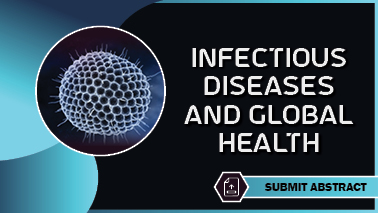
Basic definition of infection refers to the harm caused by pathogenic microorganisms such as bacteria, viruses, fungi, parasites, or other infectious agents entering the human body. Some infections are mild, while others can be severe or life-threatening depending on the type of organism involved. From understanding the causes, symptoms, pathogen detection, clinical studies, treatment strategies, infection prevention and control, antimicrobial resistance, vaccine development, novel diagnostic technologies, and innovative therapeutic approaches, participants can discuss the latest scientific advancements at our upcoming Infectious Diseases Conference.
The global infectious diseases market continues to witness remarkable growth due to the increasing burden of emerging and re-emerging infections, rising antimicrobial resistance, expanding vaccine development, growing healthcare investments, and continuous advancements in diagnostic technologies. In 2025, the global infectious diseases therapeutics market was valued at approximately USD 172 billion and is projected to reach nearly USD 255 billion by 2030, growing at a CAGR of around 8.2% during the forecast period. Simultaneously, the infectious disease diagnostics market is valued at over USD 35 billion and is expected to grow steadily with the increasing adoption of molecular diagnostics, point-of-care testing, and AI-powered diagnostic platforms. North America continues to dominate the global market due to its robust healthcare infrastructure and strong research investments, while the Asia-Pacific region is anticipated to witness the fastest growth owing to increasing healthcare expenditure, improved disease surveillance, and expanding access to advanced diagnostic and treatment technologies.
Viral Infections

Viral infections are caused by viruses that invade the body's cells and can range from mild, self-limiting illnesses to severe and life-threatening diseases. While many common viral infections resolve within 7–10 days with adequate rest, hydration, and supportive care, chronic viral diseases such as HIV, Hepatitis B and C, and emerging viral infections require long-term antiviral therapy and continuous clinical management. Different viruses affect various organ systems, including the respiratory tract, liver, nervous system, and bloodstream. The immune system plays a crucial role in fighting viral infections, while vaccination remains one of the most effective strategies for preventing disease transmission and reducing global health burdens. The global virology market continues to expand due to increasing viral outbreaks, advancements in antiviral drug development, and growing vaccination programs. In 2025, the global viral infection treatment market is estimated to be valued at approximately USD 80 billion and is projected to reach nearly USD 135 billion by 2032, growing at a CAGR of around 6.7% during the forecast period.
The global viral infection therapeutics market is witnessing steady growth, driven by the rising prevalence of chronic and emerging viral diseases, increasing investments in vaccine research, and continuous advancements in antiviral therapies. HIV therapeutics continue to account for the largest market share, followed by treatments for influenza, hepatitis, respiratory viruses, and other emerging infections. North America remains the leading regional market due to its advanced healthcare infrastructure, strong pharmaceutical industry, and high treatment accessibility, while the Asia-Pacific region is expected to register the fastest growth owing to expanding healthcare investments, increasing awareness, and improved access to antiviral medications and vaccines. Furthermore, innovations in molecular diagnostics, combination therapies, personalized medicine, and AI-driven drug discovery are expected to accelerate the development of next-generation antiviral treatments and strengthen global preparedness against future viral outbreaks.
Bacterial Infections

Unlike viral infections, most bacterial infections can be effectively treated with antibiotics, although the growing emergence of antimicrobial resistance has become a major global health concern. While many bacterial species are beneficial and essential for maintaining human health, certain pathogenic bacteria cause infections affecting the respiratory, urinary, gastrointestinal, and bloodstream systems. Immunization plays a vital role in preventing several serious bacterial diseases, and ongoing research continues to focus on developing novel antibiotics, rapid diagnostic methods, antimicrobial stewardship strategies, and alternative therapies to combat drug-resistant bacteria. The global antibacterial drugs market continues to grow with the increasing burden of bacterial infections and antimicrobial resistance. In 2025, the global antibacterial drugs market is estimated to be valued at approximately USD 55.6 billion and is projected to reach nearly USD 67.9 billion by 2030, growing at a CAGR of around 4.1% during the forecast period.
The global bacterial infection treatment market is witnessing steady expansion, driven by the increasing incidence of hospital-acquired and community-acquired bacterial infections, rising awareness of antimicrobial resistance, and continuous investments in antibiotic research and development. Broad-spectrum antibiotics continue to account for a significant share of the market, while cephalosporins remain among the leading therapeutic classes. North America continues to dominate the global market due to its advanced healthcare infrastructure and strong pharmaceutical presence, whereas the Asia-Pacific region is expected to experience the fastest growth owing to increasing healthcare expenditure, expanding access to medical care, and government initiatives to address antibiotic resistance. Advances in precision diagnostics, next-generation antimicrobial agents, and innovative treatment approaches are expected to further drive market growth and improve the management of bacterial infections worldwide.
Fungal Infections

Fungal infections can range from superficial skin and nail infections to severe invasive diseases affecting internal organs, particularly in immunocompromised individuals. These infections trigger immune responses that may lead to inflammation and tissue damage if left untreated. Both topical and systemic antifungal therapies are widely used depending on the severity and type of infection. This session focuses on the latest advances in fungal disease diagnosis, antifungal drug development, resistance mechanisms, emerging fungal pathogens, and innovative treatment strategies. The global antifungal drugs market is estimated to be valued at approximately USD 17 billion in 2026 and is expected to witness steady growth, driven by the increasing prevalence of invasive fungal infections, rising incidence of immunocompromised patients, and growing awareness of fungal disease management.
The global fungal infection treatment market continues to evolve with increasing investments in novel antifungal therapies, rapid diagnostic technologies, and research targeting antifungal resistance. The emergence of drug-resistant fungal pathogens has accelerated the development of new drug classes with improved efficacy and safety profiles. Additionally, advancements in molecular diagnostics and precision medicine are enabling earlier detection and more targeted treatment approaches. North America remains a leading market due to its advanced healthcare infrastructure and strong research activities, while the Asia-Pacific region is expected to experience significant growth owing to expanding healthcare access, increasing disease awareness, and rising investments in infectious disease management
Vector-borne Diseases

These are the infections transmitted by the mosquitoes, bugs, ticks, flies etc. One major factor that influences their growth is climate. These accounts for more than 17 percent of all infectious diseases. Dengue and Malaria are the major ones causing more number of deaths. Maintaining clean and proper environmental factors and social factors will helps in disease control and elimination Global Anti-Malarial Drugs market reached USD 742.5 Million in 2016 at a CAGR of 3.2% across the world. The market is predicted as USD 1,049.5 Million by 2027. Middle East & Africa accounts for a share of 51.0% by 2027 and Asia Pacific of 30.2% by 2027. Moreover, the market is anticipated to account $317.0 Million by 2027 from $222.8 Million in 2016. China & India is the Middle East & Africa accounts for a share of 51.0% by 2027 and Asia Pacific of 30.2% by 2027. Moreover, the market is anticipated to account $317.0 Million by 2027 from $222.8 Million in 2016. China & India is the major contributor to the growth of Asia Pacific Anti-Malarial Drugs market. major contributor to the growth of Asia Pacific Anti-Malarial Drugs market
Market Analysis: The global market for vector-borne diseases is poised for substantial growth, driven by a confluence of public health challenges and technological advancements. The vector control market, a major component, was valued at approximately $22.22 billion in 2025 and is projected to reach $30.14 billion by 2030, with a CAGR of 6.24%. This expansion is fueled by the rising incidence of diseases like dengue and malaria, which are spreading to new geographic regions due to climate change and rapid urbanization. While North America currently holds the largest market share, the Asia-Pacific region is anticipated to be the fastest-growing market, with a forecasted CAGR of 7.28% between 2024 and 2031, due to its high population density and significant disease burden. The market's evolution is also being shaped by a shift toward more sustainable and technologically advanced solutions. This includes a growing demand for biological control methods, AI-driven surveillance systems, and a move away from traditional chemical-based insecticides as vectors develop resistance.
Virology and HIVAIDS

With the continuous emergence of new and evolving viral strains, virologists continue to play a critical role in advancing our understanding of viral diseases and developing innovative strategies for their prevention, diagnosis, and treatment. Among the most significant viral pathogens is Human Immunodeficiency Virus (HIV-1), a retrovirus responsible for Acquired Immunodeficiency Syndrome (AIDS), which primarily attacks the body's immune system. Despite remarkable progress in antiretroviral therapy (ART), HIV remains a major global public health challenge. While ART has dramatically reduced HIV-related mortality and improved the quality of life for millions, ongoing research is essential to achieve a functional cure, develop effective vaccines, and eliminate new infections.
We invite researchers, clinicians, healthcare professionals, and industry experts to join us in sharing their latest findings, innovations, and perspectives on this important and evolving field. Topics including HIV pathogenesis, antiviral drug development, vaccine research, diagnostic technologies, prevention strategies, and global public health initiatives will be central to the discussion.
Market Analysis:
The global HIV diagnostics market continues to experience strong growth, driven by increasing awareness, expanded screening programs, and technological advancements in diagnostic platforms. As of 2026, the market is estimated to be valued at approximately USD 3.6 billion and is projected to surpass USD 5.8 billion by 2031, growing at a compound annual growth rate (CAGR) of approximately 10% during the forecast period. This growth is largely attributed to the widespread adoption of point-of-care (POC) testing, rapid self-testing kits, molecular diagnostic technologies, and multiplex testing platforms capable of detecting multiple infectious diseases simultaneously.
In addition, global initiatives led by organizations such as UNAIDS, the World Health Organization (WHO), and national public health agencies continue to expand HIV testing and treatment programs, supporting the global goal of ending the HIV/AIDS epidemic as a public health threat. Increasing investments in research and development, digital health integration, and improved access to diagnostic services in low- and middle-income countries are further accelerating market growth and driving innovation across the HIV diagnostics landscape.
Immunology and Clinical Microbiology

To better understand infectious diseases, it is essential to study both immunology and microbiology, as immunology focuses on the host immune response while microbiology examines the pathogens causing disease. This session will highlight recent advances in host-pathogen interactions, molecular and cellular immunology, microbial pathogenesis, genomics, diagnostics, vaccine development, and emerging therapeutic strategies.
Market Analysis:
The global immunology and clinical microbiology markets continue to grow rapidly, driven by the increasing prevalence of infectious and autoimmune diseases, advancements in molecular diagnostics, precision medicine, and immunotherapies. In 2026, the global immunology market is valued at approximately USD 135–140 billion and is expected to maintain strong growth over the coming years. The clinical microbiology market is also expanding steadily, supported by rising demand for rapid diagnostics, antimicrobial resistance surveillance, and next-generation sequencing technologies.
Antiviral Drug Resistance

Antiviral drug resistance occurs when viruses undergo genetic mutations that reduce or eliminate the effectiveness of antiviral medications. High mutation rates in viruses such as HIV, influenza, and hepatitis viruses, along with inappropriate or incomplete treatment, contribute to the emergence of resistant strains. Understanding the mechanisms of resistance is essential for developing next-generation antivirals, combination therapies, and effective treatment strategies to combat evolving viral infections.
Market Analysis:
The global antiviral drugs market continues to grow, driven by the increasing burden of viral diseases, rising investment in antiviral research, and the demand for innovative therapies. As of 2026, the market is estimated at approximately USD 69 billion and is projected to reach over USD 98 billion by 2032, growing at a CAGR of around 6%. Growth is supported by advancements in antiviral drug development, combination therapies, and expanding healthcare access, with North America leading the market while the Asia-Pacific region is expected to witness the fastest growth.
Catheter-Associated Urinary Tract Infection

Catheter-Associated Urinary Tract Infection (CAUTI) is one of the most common healthcare-associated infections (HAIs), occurring when microorganisms enter the urinary tract through an indwelling urinary catheter. The risk of infection increases with prolonged catheter use, making timely catheter removal, aseptic insertion techniques, proper hand hygiene, and closed drainage systems essential for prevention. Ongoing research focuses on improving infection control practices, antimicrobial-coated catheters, rapid diagnostics, and strategies to reduce antimicrobial resistance associated with CAUTIs.
Market Analysis:
The global CAUTI prevention and urinary catheter infection control market continues to expand due to increasing emphasis on reducing healthcare-associated infections and improving patient safety. As of 2026, the market is estimated at approximately USD 2.9 billion and is projected to exceed USD 4.5 billion by 2031, growing at a CAGR of around 9%. Market growth is driven by rising hospitalization rates, increasing adoption of antimicrobial-coated catheters, advancements in infection prevention technologies, and stronger healthcare policies worldwide, with North America leading the market and Asia-Pacific emerging as the fastest-growing region.
Emerging Infectious Diseases
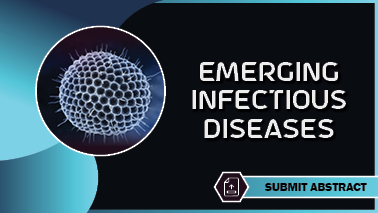
Emerging infectious diseases are infections that have newly appeared or are rapidly increasing in incidence, geographic distribution, or host range. Driven by factors such as climate change, globalization, urbanization, and zoonotic transmission, these diseases continue to pose significant global health challenges. This session will focus on emerging pathogens, outbreak preparedness, surveillance, rapid diagnostics, vaccine development, antimicrobial resistance, and innovative strategies for disease prevention and control.
Market Analysis:
The global emerging infectious diseases market continues to expand due to increasing investments in disease surveillance, advanced diagnostics, and novel therapeutics. As of 2026, the infectious disease diagnostics market is estimated at approximately USD 29 billion, while the infectious disease therapeutics market exceeds USD 77 billion. Both markets are expected to witness strong growth over the coming years, driven by advancements in molecular diagnostics, AI-assisted surveillance, next-generation sequencing (NGS), vaccine innovation, and global public health initiatives. North America remains the largest market, while Asia-Pacific is projected to experience the fastest growth.
Hospital-Acquired Infections HAIs

Hospital-acquired infections (HAIs), also known as nosocomial infections, are infections that develop during a hospital stay, typically after 48 hours of admission. Common HAIs include bloodstream infections, urinary tract infections, surgical site infections, and pneumonia, often caused by multidrug-resistant organisms. This session will focus on infection prevention, antimicrobial stewardship, rapid diagnostics, surveillance, and innovative strategies to reduce the burden of HAIs and improve patient safety.
Market Analysis:
The global HAI prevention and control market continues to grow due to increasing awareness of infection prevention, rising antimicrobial resistance, and advancements in sterilization and diagnostic technologies. As of 2026, the market is estimated at approximately USD 34 billion and is projected to exceed USD 53 billion by 2031, growing at a CAGR of around 9%. Growth is driven by stronger infection control policies, expanding healthcare infrastructure, and increasing adoption of advanced monitoring and sterilization technologies, with North America leading the market and Asia-Pacific emerging as the fastest-growing region.
Maternal-Fetal Infections

Maternal-fetal infections, also known as congenital infections, occur when pathogens such as cytomegalovirus (CMV), toxoplasmosis, syphilis, HIV, or Zika virus are transmitted from mother to fetus during pregnancy or childbirth. These infections can lead to miscarriage, stillbirth, congenital abnormalities, and long-term health complications. This session will focus on prenatal screening, molecular diagnostics, maternal vaccination, prevention strategies, and advances in the diagnosis and management of maternal-fetal infections.
Market Analysis:
The global maternal-fetal infection diagnostics and therapeutics market continues to grow, driven by increasing awareness of prenatal care, advancements in molecular diagnostics, and expanding maternal screening programs. As of 2026, the market is estimated at approximately USD 4.3 billion and is projected to surpass USD 7 billion by 2031, growing at a CAGR of around 10%. Rising healthcare investments, improved access to prenatal care, and government initiatives supporting maternal and neonatal health are expected to fuel continued market growth, with North America leading the market and Asia-Pacific witnessing the fastest expansion.
Next-Generation Antibiotics

Next-generation antibiotics are innovative antimicrobial agents designed to combat multidrug-resistant (MDR) bacteria that no longer respond to conventional therapies. These advanced treatments employ novel mechanisms of action, including targeting bacterial virulence factors, microbiome modulation, and precision antimicrobial approaches, to improve treatment outcomes while addressing the growing threat of antimicrobial resistance (AMR). This session will explore recent advances in antibiotic discovery, novel therapeutics, resistance mechanisms, and strategies to combat drug-resistant infections.
Market Analysis:
The global next-generation antibiotics market is experiencing strong growth, driven by the rising burden of antimicrobial resistance, increasing investment in antibiotic research, and supportive regulatory initiatives. As of 2026, the market is estimated at approximately USD 6 billion and is projected to exceed USD 10.5 billion by 2031, growing at a CAGR of around 12%. North America remains the leading market due to robust R&D and favorable funding, while the Asia-Pacific region is expected to witness the fastest growth, supported by expanding healthcare infrastructure and increasing efforts to address antimicrobial resistance.
Pediatric Infectious Diseases
Pediatric infectious diseases encompass bacterial, viral, fungal, and parasitic infections affecting infants, children, and adolescents. Common conditions include respiratory and gastrointestinal infections, meningitis, and vaccine-preventable diseases. This session will focus on advances in pediatric diagnostics, vaccination strategies, antimicrobial therapies, emerging childhood infections, and innovative approaches to improving prevention and clinical outcomes in pediatric populations.
Market Analysis:
The global pediatric infectious diseases market continues to expand, driven by increasing immunization programs, advancements in pediatric diagnostics, and the development of novel vaccines and therapeutics. As of 2026, the market is estimated at approximately USD 21 billion and is projected to exceed USD 33 billion by 2031, growing at a CAGR of around 9–10%. North America remains the leading market due to advanced pediatric healthcare and high vaccine coverage, while the Asia-Pacific region is expected to witness the fastest growth, supported by expanding healthcare infrastructure, increasing public health initiatives, and a large pediatric population.
Sepsis Diagnosis and Care

Sepsis is a life-threatening condition resulting from the body's overwhelming response to infection, leading to organ dysfunction and potentially death if not treated promptly. Early diagnosis and timely intervention are essential to improving patient outcomes. This session will focus on advances in rapid diagnostics, biomarker-based testing, AI-assisted clinical decision support, precision medicine, antimicrobial stewardship, and innovative strategies for sepsis prevention, management, and critical care.
Market Analysis:
The global sepsis diagnostics and treatment market continues to grow, driven by increasing awareness, advancements in rapid diagnostic technologies, and expanding critical care infrastructure. As of 2026, the market is estimated at approximately USD 6.8 billion and is projected to exceed USD 11.8 billion by 2031, growing at a CAGR of around 11%. North America remains the largest market due to advanced healthcare systems and early adoption of innovative technologies, while the Asia-Pacific region is expected to witness the fastest growth, supported by improving healthcare infrastructure and increasing investment in critical care services.
Zoonotic Diseases
Zoonotic diseases are infections transmitted between animals and humans, caused by bacteria, viruses, parasites, or fungi. Diseases such as rabies, avian influenza, brucellosis, and coronaviruses highlight the growing threat of zoonotic pathogens to global health. This session will focus on emerging zoonoses, disease surveillance, rapid diagnostics, vaccine development, pandemic preparedness, and the One Health approach, integrating human, animal, and environmental health to prevent and control infectious diseases.
Market Analysis:
The global zoonotic diseases market continues to expand due to increasing investments in diagnostics, vaccines, therapeutics, and disease surveillance. As of 2026, the market is estimated at approximately USD 8.7 billion and is projected to exceed USD 15 billion by 2031, growing at a CAGR of around 11%. Market growth is driven by rising zoonotic outbreaks, greater emphasis on pandemic preparedness, and stronger collaborations between veterinary and human healthcare sectors. North America remains the leading market, while Asia-Pacific is expected to experience the fastest growth.
Neurological and CNS Infections

Bacteria, viruses, fungi, and other infectious agents can affect the Central Nervous System (CNS), including the brain, spinal cord, and peripheral nerves, leading to severe neurological complications. Prompt diagnosis and timely treatment are critical to preventing permanent neurological damage and reducing mortality. As infectious diseases continue to evolve with emerging pathogens and antimicrobial resistance, advancing research in CNS infections has become more important than ever. We invite researchers, clinicians, and healthcare professionals to share their latest findings and innovative approaches to improve the prevention, diagnosis, and management of CNS infections.
The global Neurology and Central Nervous System (CNS) Therapeutics Market is estimated to be valued at approximately USD 143 billion in 2026 and is projected to reach around USD 198 billion by 2031, growing at a Compound Annual Growth Rate (CAGR) of approximately 6.7% during the forecast period. This growth is driven by several important factors, including the rising prevalence of neurological disorders such as Alzheimer's disease, Parkinson's disease, multiple sclerosis, epilepsy, stroke, and CNS infections. The increasing aging population, improved awareness of neurological health, and growing demand for early diagnosis are further accelerating market expansion. Significant advances in neuroimaging, molecular diagnostics, biomarker discovery, artificial intelligence (AI)-assisted diagnostics, precision medicine, gene therapy, and targeted drug delivery systems are transforming the diagnosis and treatment of CNS disorders. Pharmaceutical and biotechnology companies continue to invest heavily in research and development, leading to innovative therapies that address previously unmet clinical needs.North America remains the largest regional market due to its advanced healthcare infrastructure, strong research ecosystem, and substantial investments in neuroscience research. Meanwhile, the Asia-Pacific region is expected to witness the fastest growth, supported by expanding healthcare expenditure, increasing disease awareness, improved diagnostic capabilities, and a large patient population. Despite these advances, several challenges remain, including the high cost of novel therapeutics, complex regulatory pathways, high clinical trial failure rates, and the persistent challenge of delivering drugs across the blood-brain barrier (BBB). Nevertheless, ongoing innovations in neuroscience and infectious disease research continue to create significant opportunities for improving patient outcomes and driving market growth.
Healthcare-Associated Infections

Healthcare-Associated Infections (HAIs) are infections acquired by patients while receiving medical care for other health conditions. They remain a major global public health challenge, contributing significantly to prolonged hospital stays, increased healthcare costs, antimicrobial resistance, and preventable morbidity and mortality. Hospitals, surgical centers, long-term care facilities, and outpatient clinics continue to be the primary settings where HAIs occur. According to global estimates, approximately one in every 25 hospitalized patients acquires at least one healthcare-associated infection, highlighting the urgent need for improved infection prevention, surveillance, rapid diagnostics, and effective antimicrobial stewardship. This conference track provides a platform for researchers, clinicians, microbiologists, epidemiologists, and healthcare professionals to discuss the latest advances, innovative strategies, and collaborative approaches for preventing, diagnosing, and managing HAIs.
Market Analysis: The global Healthcare-Associated Infections (HAIs) diagnostics market is expected to witness steady growth over the coming years, driven by the increasing demand for rapid and accurate pathogen detection, the growing burden of antimicrobial resistance, and the adoption of advanced diagnostic technologies. Molecular diagnostics and point-of-care (POC) testing are gaining widespread acceptance due to their ability to deliver faster and more precise results, enabling timely clinical decision-making and strengthening infection control measures. The integration of artificial intelligence, automation, and digital health technologies is further transforming HAI surveillance and diagnostics, improving laboratory efficiency and patient outcomes. North America continues to lead the market owing to its well-established healthcare infrastructure and strong infection prevention programs, while the Asia-Pacific region is anticipated to experience the fastest growth due to expanding healthcare investments, improving diagnostic capabilities, and increasing awareness of infection control. These trends reflect the global shift toward proactive, technology-driven strategies for reducing the burden of healthcare-associated infections and enhancing patient safety.
Ophthalmological Infectious Diseases
Emerging and re-emerging infectious diseases continue to pose significant challenges to global healthcare, with ocular infections representing an important cause of visual impairment and blindness. Infectious diseases affecting the eye may result from bacterial, viral, fungal, or parasitic pathogens, impacting structures such as the conjunctiva, cornea, eyelids, retina, and intraocular tissues. Early diagnosis and timely treatment are essential to prevent vision loss and improve patient outcomes. Recent advances in molecular diagnostics, antimicrobial therapies, targeted drug delivery systems, and precision medicine are transforming the management of ophthalmological infections. This conference track provides a platform for researchers, ophthalmologists, microbiologists, infectious disease specialists, and healthcare professionals to discuss emerging pathogens, innovative diagnostic approaches, therapeutic developments, antimicrobial resistance, and preventive strategies in ocular infectious diseases.
Market Analysis: The global market for ophthalmological infectious disease therapeutics is expected to experience steady growth, driven by the increasing prevalence of bacterial, viral, fungal, and parasitic eye infections, rising awareness of eye health, and continuous advancements in ophthalmic care. Growing adoption of rapid diagnostic technologies, sustained-release drug delivery systems, and novel antimicrobial therapies is improving treatment effectiveness and patient adherence. The expanding use of precision medicine, biologics, and artificial intelligence in ophthalmology is further enhancing disease detection and clinical decision-making. Developed regions continue to lead the market due to advanced healthcare infrastructure and high treatment accessibility, while Asia-Pacific is projected to witness the fastest growth, supported by expanding healthcare investments, increasing incidence of ocular infections, and improved access to specialized eye care. These developments underscore the growing emphasis on innovative, patient-centered approaches to preventing and managing infectious eye diseases while addressing the global challenge of antimicrobial resistance.
Lower Respiratory and Pediatric IDs

Neonatal infectious diseases remain a significant cause of illness and mortality among newborns due to their underdeveloped immune systems. Infections may be acquired before birth, during delivery, or after birth and require early diagnosis, prompt treatment, and effective preventive strategies. This track focuses on the latest advances in neonatal infection diagnosis, antimicrobial therapies, vaccines, maternal–fetal transmission, and neonatal intensive care, bringing together experts to improve outcomes for newborns worldwide.
Market Analysis: The global neonatal infectious disease diagnostics and therapeutics market is expected to grow steadily, driven by increasing awareness of neonatal health, advancements in rapid diagnostics, expanding neonatal intensive care services, and rising investments in maternal and child healthcare. Innovations in molecular diagnostics, vaccines, and targeted therapies are enhancing early detection and treatment, while emerging economies continue to strengthen neonatal healthcare infrastructure and infection prevention programs.
Genomics and Infectious disease

Microbial genomics has become a cornerstone of infectious disease research, enabling a deeper understanding of pathogen evolution, transmission, antimicrobial resistance, and outbreak dynamics. Advances in next-generation sequencing, bioinformatics, and genomic surveillance are transforming disease diagnosis, epidemiology, drug discovery, and public health responses. This track invites researchers and healthcare professionals to explore the latest innovations and applications of microbial genomics in combating infectious diseases.
Market Analysis: The global microbial genomics market is expected to witness robust growth, driven by increasing adoption of next-generation sequencing technologies, expanding genomic surveillance programs, and rising demand for precision diagnostics. Advances in bioinformatics, artificial intelligence, and molecular technologies are accelerating pathogen detection and antimicrobial resistance monitoring, while growing investments in infectious disease research and public health initiatives continue to support market expansion worldwide.
Special Session on COVID-19

Coronaviruses continue to pose significant global public health challenges, with SARS-CoV-2 highlighting the importance of pandemic preparedness, surveillance, and rapid response. Although the acute phase of the COVID-19 pandemic has passed, ongoing viral evolution, emerging variants, long COVID, and zoonotic transmission remain critical areas of research. This track focuses on the latest advances in coronavirus biology, diagnostics, vaccines, antiviral therapies, genomic surveillance, public health strategies, and future pandemic preparedness, bringing together experts to share innovative research and lessons learned.
Market Analysis: The global COVID-19 diagnostics, vaccines, and therapeutics market continues to evolve, driven by ongoing surveillance programs, the development of next-generation vaccines and antiviral therapies, and increasing investments in pandemic preparedness. Advances in molecular diagnostics, genomic sequencing, artificial intelligence, and digital health technologies are strengthening outbreak detection and response. Continued government funding, international collaboration, and research into emerging coronavirus variants are expected to support innovation and ensure long-term preparedness for future coronavirus outbreaks.
Vaccines and Immunizations
Vaccination remains one of the most effective public health interventions for preventing infectious diseases and reducing global morbidity and mortality. Advances in vaccine research have led to the development of innovative platforms, including mRNA, viral vector, protein subunit, and next-generation vaccines, improving protection against both emerging and established pathogens. This track focuses on recent developments in vaccine discovery, immunization strategies, clinical trials, vaccine safety, immune responses, and global vaccination programs, bringing together researchers, clinicians, and public health experts to discuss the future of infectious disease prevention.
Market Analysis: The global vaccines and immunization market is expected to witness strong growth, driven by increasing investment in vaccine research, expanding adult and pediatric immunization programs, and rising demand for vaccines against emerging infectious diseases. Advances in mRNA technology, personalized vaccines, and novel vaccine delivery systems continue to accelerate innovation, while government initiatives and international immunization programs are strengthening global vaccine access and preparedness for future outbreaks.
Antibiotic Sensitivity Testing

Antibiotic Sensitivity Testing (AST) plays a crucial role in the diagnosis and management of infectious diseases by determining the most effective antimicrobial therapy for bacterial and fungal infections. As antimicrobial resistance continues to rise globally, AST has become an essential tool for guiding targeted treatment, improving patient outcomes, and supporting antimicrobial stewardship. This track focuses on recent advances in susceptibility testing methods, rapid diagnostics, automated technologies, resistance mechanisms, and their clinical applications in combating infectious diseases.
Market Analysis: The global antimicrobial susceptibility testing market is expected to witness steady growth, driven by the increasing prevalence of antimicrobial resistance, rising demand for rapid and accurate diagnostics, and expanding antimicrobial stewardship programs. Technological advancements in automated testing systems, molecular diagnostics, and artificial intelligence are improving the speed and accuracy of susceptibility testing. Growing investments in clinical microbiology laboratories and infection control initiatives are further supporting market expansion, with emerging economies expected to experience significant growth due to strengthening healthcare infrastructure and increased awareness of antimicrobial resistance.
Blood-Borne Disease

Blood-borne infectious diseases are caused by pathogens transmitted through infected blood and other bodily fluids, posing significant challenges to global public health. Common blood-borne infections include Hepatitis B, Hepatitis C, HIV, and other emerging pathogens that can spread through blood transfusions, needlestick injuries, unsafe injection practices, and other routes of exposure. This track focuses on the latest advances in disease prevention, diagnostics, surveillance, treatment, blood safety, and infection control, bringing together experts to discuss innovative strategies for reducing the burden of blood-borne infections.
Market Analysis: The global blood-borne disease diagnostics market is expected to experience steady growth, driven by increasing demand for rapid and accurate diagnostic testing, rising awareness of blood safety, and continuous advancements in molecular diagnostics and nucleic acid testing technologies. Growing investments in healthcare infrastructure, expanded blood screening programs, and strengthened infection prevention initiatives are further supporting market growth, while emerging economies are anticipated to witness significant expansion due to improved access to diagnostic services and public health programs.
Contagious Disease

Contagious diseases are infectious diseases that spread from person to person through direct contact, respiratory droplets, contaminated surfaces, or bodily fluids. Caused by viruses, bacteria, fungi, or parasites, these diseases continue to pose significant public health challenges worldwide. Effective prevention relies on early diagnosis, vaccination, infection control practices, surveillance, and public health interventions. This track explores the latest research on disease transmission, outbreak prevention, rapid diagnostics, novel therapeutics, vaccination strategies, and global approaches to controlling contagious diseases.
Market Analysis: The global contagious disease diagnostics and therapeutics market is expected to witness substantial growth, driven by the increasing burden of infectious diseases, rising demand for rapid diagnostic technologies, and continuous advancements in treatment options. Innovations in molecular diagnostics, point-of-care testing, artificial intelligence, and vaccine development are transforming disease detection and management. Increasing investments in healthcare infrastructure, surveillance systems, and pandemic preparedness programs are further supporting market expansion, with emerging economies expected to experience the fastest growth due to improved access to healthcare and diagnostic services.
Encephalitis

Encephalitis is a serious inflammatory disorder of the brain caused by viral, bacterial, fungal, parasitic, or autoimmune factors. It remains a significant global health concern due to its potential to cause severe neurological complications, long-term disability, and mortality. Early diagnosis, rapid intervention, and advances in molecular diagnostics, neuroimaging, antiviral therapies, and immunotherapy are improving patient outcomes. This track focuses on the latest research in the epidemiology, diagnosis, treatment, prevention, and management of encephalitis and other infectious neurological disorders.
Market Analysis: The global encephalitis diagnostics and therapeutics market is estimated to be valued at USD 23.2 billion in 2025 and is projected to reach approximately USD 36.5 billion by 2034, growing at a CAGR of 5.2% during the forecast period. Market growth is driven by the increasing incidence of viral encephalitis, rising vector-borne infections, advancements in molecular diagnostics and neuroimaging, and growing investments in antiviral drugs and immunotherapies. North America currently dominates the market owing to its advanced healthcare infrastructure, while the Asia-Pacific region is expected to witness the fastest growth due to increasing healthcare expenditure, expanding diagnostic capabilities, and the high prevalence of encephalitis-causing pathogens such as Japanese encephalitis virus.
Global Pandemic Preparedness

Global pandemic preparedness focuses on strengthening healthcare systems, surveillance networks, and coordinated response strategies to prevent, detect, and respond to emerging infectious disease threats. Advances in rapid diagnostics, genomic surveillance, vaccine development, artificial intelligence, and digital health technologies are transforming global preparedness efforts. This track highlights the latest research, policies, innovations, and international collaborations aimed at improving outbreak response, healthcare resilience, and future pandemic readiness.
Market Analysis: The global pandemic preparedness market is estimated to be valued at USD 78.6 billion in 2025 and is projected to reach approximately USD 128.4 billion by 2030, growing at a CAGR of 10.3% during the forecast period. Growth is driven by increasing investments in vaccine development, rapid diagnostics, AI-based disease surveillance, public health infrastructure, and emergency medical stockpiles. North America and Asia-Pacific continue to lead the market due to strong government funding and healthcare investments, while Africa and Latin America are expected to witness significant growth through expanding preparedness initiatives and international collaborations.
Influenza Surveillance Systems
Influenza surveillance systems are essential for monitoring the spread, evolution, and impact of influenza viruses, enabling early outbreak detection and effective public health responses. By integrating genomic sequencing, molecular diagnostics, digital reporting platforms, and artificial intelligence, modern surveillance systems support vaccine strain selection, monitor antiviral resistance, and strengthen preparedness for seasonal epidemics and emerging pandemic threats. This track brings together researchers, clinicians, epidemiologists, public health experts, and policymakers to discuss the latest advances in influenza surveillance, forecasting, data sharing, and global disease control strategies.
Market Analysis: The global influenza surveillance systems market is valued at approximately USD 9.8 billion in 2025 and is projected to reach nearly USD 16.7 billion by 2030, expanding at a CAGR of 11.2% during the forecast period. Market growth is driven by increasing investments in pandemic preparedness, expanding genomic surveillance programs, widespread adoption of AI-enabled disease monitoring platforms, and continuous advancements in molecular diagnostics. North America remains the largest market due to its well-established surveillance infrastructure, while the Asia-Pacific region is expected to register the fastest growth, supported by rising healthcare investments, digital health initiatives, and enhanced influenza monitoring programs.
Microbiome and Immunity

Influenza surveillance systems are essential for monitoring the spread, evolution, and impact of influenza viruses, enabling early outbreak detection and effective public health responses. By integrating genomic sequencing, molecular diagnostics, digital reporting platforms, and artificial intelligence, modern surveillance systems support vaccine strain selection, monitor antiviral resistance, and strengthen preparedness for seasonal epidemics and emerging pandemic threats. This track brings together researchers, clinicians, epidemiologists, public health experts, and policymakers to discuss the latest advances in influenza surveillance, forecasting, data sharing, and global disease control strategies.
Market Analysis: The global influenza surveillance systems market is valued at approximately USD 9.8 billion in 2025 and is projected to reach nearly USD 16.7 billion by 2030, expanding at a CAGR of 11.2% during the forecast period. Market growth is driven by increasing investments in pandemic preparedness, expanding genomic surveillance programs, widespread adoption of AI-enabled disease monitoring platforms, and continuous advancements in molecular diagnostics. North America remains the largest market due to its well-established surveillance infrastructure, while the Asia-Pacific region is expected to register the fastest growth, supported by rising healthcare investments, digital health initiatives, and enhanced influenza monitoring programs.
Occupational Safety and Health OSH

Occupational Safety and Health (OSH) plays a critical role in protecting healthcare professionals, laboratory personnel, first responders, and other workers from biological, chemical, physical, and occupational hazards. In the field of infectious diseases, effective OSH practices are essential for preventing healthcare-associated infections, minimizing occupational exposure to emerging pathogens, and ensuring workplace safety through infection prevention, personal protective equipment (PPE), biosafety measures, and emergency preparedness. This track explores the latest advances in occupational health policies, biosafety, risk assessment, workplace infection control, and strategies for building safer and more resilient work environments.
Market Analysis: The global occupational safety and health market is estimated to be valued at USD 42.1 billion in 2025 and is projected to reach approximately USD 68.9 billion by 2030, growing at a CAGR of 10.3% during the forecast period. Market growth is driven by increasingly stringent workplace safety regulations, rising adoption of digital safety solutions, expanding use of personal protective equipment (PPE), and greater investments in occupational health programs. North America and Europe continue to lead the market due to strong regulatory frameworks, while the Asia-Pacific region is expected to witness the fastest growth, supported by rapid industrialization, healthcare expansion, and government initiatives promoting workplace safety.
Point-of-Care Testing POCT

Point-of-Care Testing (POCT) has transformed modern healthcare by enabling rapid, accurate diagnostic testing at or near the patient, facilitating timely clinical decision-making and improving patient outcomes. Widely used in infectious disease diagnosis, emergency medicine, and decentralized healthcare settings, POCT enhances access to diagnostics while reducing turnaround times and dependence on centralized laboratories. This track highlights recent advances in rapid diagnostics, molecular point-of-care technologies, biosensors, artificial intelligence, and their applications in infectious disease detection, outbreak response, and personalized patient care.
Market Analysis: The global point-of-care testing (POCT) market is estimated to be valued at USD 46.7 billion in 2025 and is projected to reach approximately USD 78.5 billion by 2030, growing at a CAGR of 11.0% during the forecast period. Market growth is driven by increasing demand for rapid infectious disease diagnostics, expanding adoption of portable molecular testing platforms, advancements in AI-enabled diagnostic devices, and the growing need for decentralized healthcare services. North America continues to lead the market due to widespread clinical adoption and advanced healthcare infrastructure, while the Asia-Pacific region is expected to witness the fastest growth, supported by expanding healthcare access, government initiatives, and rising investments in diagnostic technologies.
Travel-Related Infections

Travel-related infections remain a major global health concern as international travel, migration, and globalization continue to increase the risk of cross-border transmission of infectious diseases. Travelers may be exposed to vector-borne, foodborne, waterborne, and respiratory pathogens, making pre-travel risk assessment, vaccination, surveillance, and early diagnosis essential for disease prevention. This track focuses on the latest advances in travel medicine, emerging travel-associated infections, outbreak surveillance, diagnostics, vaccination strategies, and global health policies aimed at protecting travelers and preventing international disease spread.
Market Analysis: The global travel-related infection prevention, diagnostics, and therapeutics market is estimated to be valued at USD 4.1 billion in 2025 and is projected to reach approximately USD 6.9 billion by 2030, growing at a CAGR of 10.8% during the forecast period. Market growth is driven by increasing international travel, rising awareness of travel-associated infectious diseases, expanding vaccination and pre-travel health services, and advancements in rapid diagnostics. North America and Europe continue to lead the market due to well-established travel medicine programs, while the Asia-Pacific and Latin America regions are expected to witness the fastest growth, supported by increasing outbound tourism, healthcare investments, and strengthened infectious disease surveillance systems.
Tropical Diseases and Parasitic Diseases

Tropical and parasitic diseases continue to pose major public health challenges, particularly in tropical and subtropical regions where environmental, socioeconomic, and climatic factors facilitate disease transmission. Neglected Tropical Diseases (NTDs), along with parasitic infections caused by protozoa and helminths, disproportionately affect vulnerable populations in low- and middle-income countries. This track focuses on the latest advances in epidemiology, diagnostics, therapeutics, vector control, vaccine development, and public health strategies to prevent and manage tropical and parasitic diseases while supporting global elimination efforts.
Market Analysis: The global tropical and parasitic disease diagnostics and therapeutics market is estimated to be valued at USD 3.8 billion in 2025 and is projected to reach approximately USD 6.1 billion by 2030, growing at a CAGR of 9.9% during the forecast period. Market growth is driven by increasing investments in neglected tropical disease (NTD) control programs, expanding access to rapid diagnostics, rising funding from global health organizations, and advancements in antiparasitic drug and vaccine development. North America and Europe continue to support research and innovation, while the Asia-Pacific, Africa, and Latin America regions are expected to witness the fastest growth due to higher disease prevalence, improving healthcare infrastructure, and strengthened disease surveillance initiatives.
Sexually Transmitted Diseases and STIs
Sexually Transmitted Diseases (STDs) and Sexually Transmitted Infections (STIs) continue to be major global public health concerns, affecting millions of people each year and significantly impacting sexual and reproductive health. Common infections include HIV, Human Papillomavirus (HPV), Herpes Simplex Virus (HSV), Chlamydia, Gonorrhea, Syphilis, and Trichomoniasis. Early diagnosis, effective treatment, vaccination, public awareness, and antimicrobial resistance surveillance are essential for reducing disease transmission and improving health outcomes. This track focuses on the latest advances in diagnostics, therapeutics, vaccines, epidemiology, prevention strategies, and public health interventions for STDs and STIs.
Market Analysis: The global sexually transmitted disease (STD/STI) diagnostics and therapeutics market is estimated to be valued at USD 116.4 billion in 2025 and is projected to reach approximately USD 176.8 billion by 2030, growing at a CAGR of 8.7% during the forecast period. Market growth is driven by the rising prevalence of sexually transmitted infections, increasing awareness and screening programs, advancements in molecular diagnostics and point-of-care testing, and expanding vaccination initiatives for HPV and hepatitis. North America continues to dominate the market due to advanced healthcare infrastructure and high screening rates, while the Asia-Pacific region is expected to witness the fastest growth, supported by increasing healthcare investments, public health initiatives, and improved access to diagnostic services.
Pathophysiology and Diagnosis

Understanding the pathophysiology of infectious diseases is essential for accurate diagnosis, effective treatment, and improved patient outcomes. Advances in molecular biology, immunology, genomics, and diagnostic technologies have significantly enhanced our understanding of host–pathogen interactions, disease progression, and mechanisms of antimicrobial resistance. This track focuses on the latest developments in disease pathogenesis, biomarker discovery, molecular diagnostics, point-of-care testing, artificial intelligence, and precision medicine for infectious diseases.
Market Analysis: The global infectious disease diagnostics market is estimated to be valued at USD 26.6 billion in 2025 and is projected to reach approximately USD 42.2 billion by 2030, growing at a CAGR of 9.7% during the forecast period. Market growth is driven by increasing demand for rapid and accurate diagnostics, rising prevalence of infectious diseases, expanding adoption of molecular diagnostic technologies, and advancements in AI-enabled diagnostic platforms. North America continues to dominate the market due to its advanced healthcare infrastructure, while the Asia-Pacific region is expected to witness the fastest growth, supported by increasing healthcare investments, expanding laboratory capacity, and improved access to diagnostic services.
Clinical Trials and Case Studies

Clinical trials and case studies are fundamental to advancing infectious disease research and improving patient care. Clinical trials evaluate the safety and efficacy of new diagnostics, therapeutics, vaccines, and medical interventions before they are introduced into clinical practice, while case studies provide valuable real-world evidence on rare infections, treatment outcomes, and emerging pathogens. This track focuses on the latest developments in clinical trial design, translational research, innovative therapeutics, vaccine evaluation, and evidence-based case reports that contribute to improved diagnosis, treatment, and disease management.
Market Analysis: The global clinical trials market is estimated to be valued at USD 63.9 billion in 2025 and is projected to reach approximately USD 98.6 billion by 2030, growing at a CAGR of 9.0% during the forecast period. Market growth is driven by increasing investment in infectious disease research, expanding vaccine and antimicrobial development, growing adoption of decentralized and AI-enabled clinical trials, and rising demand for precision medicine. North America continues to lead the market due to its strong research infrastructure and pharmaceutical investment, while the Asia-Pacific region is expected to witness the fastest growth, supported by expanding clinical research capabilities, diverse patient populations, and favorable regulatory environments.
Influencing Factors of IDs
Understanding the factors that influence the emergence, transmission, and progression of infectious diseases is essential for effective prevention and control. Environmental conditions, climate change, population mobility, urbanization, host immunity, microbial evolution, antimicrobial resistance, and socioeconomic factors all contribute to the spread of infectious diseases. This track explores the latest research on host–pathogen interactions, disease ecology, environmental influences, epidemiological trends, and innovative strategies for reducing the global burden of infectious diseases.
Market Analysis: The global infectious disease surveillance and prevention market is estimated to be valued at USD 31.5 billion in 2025 and is projected to reach approximately USD 52.8 billion by 2030, growing at a CAGR of 10.9% during the forecast period. Market growth is driven by increasing investments in disease surveillance, expanding use of artificial intelligence and predictive analytics, growing awareness of emerging infectious diseases, and strengthened global public health initiatives. North America continues to lead the market due to advanced surveillance infrastructure, while the Asia-Pacific region is expected to witness the fastest growth, supported by expanding healthcare investments, digital health technologies, and enhanced infectious disease monitoring programs.
Advanced Treatments and Technologies

The emergence and spread of infectious diseases are shaped by a complex interaction of biological, environmental, social, and behavioral factors. Rapid urbanization, climate change, international travel, antimicrobial resistance, population density, and changing ecosystems continue to influence disease transmission across the globe. Understanding these determinants is essential for predicting outbreaks, developing effective prevention strategies, and strengthening public health preparedness. This track encourages discussions on disease ecology, host–pathogen interactions, environmental health, risk assessment, surveillance systems, and evidence-based approaches to minimizing the impact of infectious diseases.
Market Analysis: The global infectious disease surveillance and prevention market is estimated to be valued at USD 31.5 billion in 2025 and is expected to reach approximately USD 52.8 billion by 2030, registering a CAGR of 10.9% during the forecast period. Market expansion is supported by increasing investments in public health infrastructure, real-time disease surveillance technologies, genomic monitoring, artificial intelligence, and predictive analytics. Growing emphasis on early outbreak detection, climate-sensitive disease monitoring, and international health security initiatives is further accelerating market growth, with the Asia-Pacific region expected to witness the fastest expansion due to improving healthcare systems and increasing government investments in disease prevention.
Oral and Maxillofacial Infections

The emergence and spread of infectious diseases are shaped by a complex interaction of biological, environmental, social, and behavioral factors. Rapid urbanization, climate change, international travel, antimicrobial resistance, population density, and changing ecosystems continue to influence disease transmission across the globe. Understanding these determinants is essential for predicting outbreaks, developing effective prevention strategies, and strengthening public health preparedness. This track encourages discussions on disease ecology, host–pathogen interactions, environmental health, risk assessment, surveillance systems, and evidence-based approaches to minimizing the impact of infectious diseases.
Market Analysis: The global infectious disease surveillance and prevention market is estimated to be valued at USD 31.5 billion in 2025 and is expected to reach approximately USD 52.8 billion by 2030, registering a CAGR of 10.9% during the forecast period. Market expansion is supported by increasing investments in public health infrastructure, real-time disease surveillance technologies, genomic monitoring, artificial intelligence, and predictive analytics. Growing emphasis on early outbreak detection, climate-sensitive disease monitoring, and international health security initiatives is further accelerating market growth, with the Asia-Pacific region expected to witness the fastest expansion due to improving healthcare systems and increasing government investments in disease prevention.
Prevention and Control

The occurrence of infectious diseases is influenced by a wide range of interconnected factors that determine how pathogens emerge, spread, and persist within populations. Changes in climate, environmental conditions, human behavior, global travel, urban expansion, population movement, and microbial adaptation all contribute to the changing patterns of infectious disease transmission. Understanding these drivers is essential for identifying populations at risk, improving disease prediction, strengthening prevention strategies, and developing effective public health interventions. This track provides a platform to explore the scientific evidence behind disease emergence, transmission dynamics, host susceptibility, environmental influences, and innovative approaches for reducing the global burden of infectious diseases.
Market Analysis: The global infectious disease surveillance and prevention market is estimated at USD 31.5 billion in 2025 and is anticipated to reach nearly USD 52.8 billion by 2030, expanding at a CAGR of 10.9%. Increasing investments in integrated surveillance systems, digital epidemiology, genomic sequencing, and AI-driven outbreak forecasting are reshaping the market. Government initiatives aimed at strengthening health security, along with growing international collaboration for monitoring emerging and re-emerging infections, continue to drive innovation. While North America maintains a leading market position through advanced public health infrastructure, the Asia-Pacific region is expected to record the highest growth owing to expanding healthcare capacity, improved surveillance networks, and increasing investments in infectious disease preparedness.
Public Health and Epidemiology

Epidemiology of an infectious disease (ID) involves the study of prevalence and incidence of infections to better understand the burden and causes among the populations. These are one of the major cause of morbidity and mortality globally. The study ranges from the search of novel pathogens, Causative organism, Host, Mode of transmission, Incubation period, usual symptoms, complications and mortality rate using advanced molecular techniques to population based studies to explain the transmission dynamics & spectrum of disease.
Market Analysis: The behavioral neurology market is poised for strong growth from 2025 to 2030, driven by the increasing prevalence of cognitive disorders. While an overall CAGR isn't available, related market segments highlight this upward trend. The cognitive neuroscience market is projected to grow at a 6.94% CAGR, with neurology clinical trials showing a 6.39% increase. Diagnostic tools are a major catalyst, as the neurological biomarkers market is set for a high 12.9% CAGR. The cognitive assessment and training segment, a key part of this field, is forecast to have an exceptional 27.02% CAGR. This expansion is fueled by an aging population, greater health awareness, and key technological advancements in neuroimaging and AI.
Artificial Intelligence in ID
Artificial Intelligence (AI) is transforming the field of infectious diseases by enhancing every stage of a public health response, from early warning and diagnosis to treatment and drug discovery. AI-powered systems analyze vast, complex datasets from sources like social media, electronic health records, and global travel patterns to detect and predict disease outbreaks faster than traditional methods. In diagnosis, AI analyzes medical images, such as chest X-rays, to identify infections like pneumonia or tuberculosis with high accuracy. It can also assist in molecular diagnostics by quickly interpreting genomic sequencing data to identify pathogens and even predict their resistance to antibiotics. This rapid analysis helps clinicians make timely, targeted treatment decisions, improving patient outcomes and combating antimicrobial resistance. Furthermore, AI is accelerating the development of new drugs and vaccines by sifting through massive amounts of biological data to identify promising candidates in a fraction of the time it would take human researchers.
Market Analysis The market for artificial intelligence in infectious diseases, particularly in epidemiology, is experiencing explosive growth. In 2025, the global market for AI in epidemiology is valued at approximately $894.53 million. This market is projected to reach around $7.85 billion by 2034, with a high compound annual growth rate (CAGR) of about 27.30%. This significant growth is driven by the increasing frequency and complexity of infectious disease outbreaks, the urgent need for robust surveillance systems, and rapid advancements in AI technologies. The market's future is defined by its ability to integrate with existing healthcare systems and provide real-time, data-driven insights that are crucial for public health preparedness. While North America holds the largest market share due to advanced healthcare infrastructure, the Asia-Pacific region is poised for the highest growth in the coming years as it invests more in public health and AI technology.
Climate Change and Infections

Climate change is significantly altering the dynamics of infectious diseases by influencing the pathogens, their vectors, and the environment in which they thrive. Rising global temperatures, changing precipitation patterns, and extreme weather events create new opportunities for diseases to emerge and spread. For instance, warmer temperatures and increased rainfall can expand the geographic range of disease vectors like mosquitoes and ticks, bringing diseases such as dengue fever, malaria, and Lyme disease to new regions that were previously too cold. Extreme weather, like floods and droughts, can contaminate water sources, leading to outbreaks of water-borne illnesses such as cholera and typhoid fever. Furthermore, as habitats change, animals and humans are coming into closer contact, increasing the risk of zoonotic diseases spilling over from animal populations to humans.
Market Analysis The global market for infectious disease diagnostics and treatments is experiencing robust growth, fueled in part by the escalating threat of climate-driven infections. In 2025, the overall infectious disease market is valued at approximately $23 billion. This market is projected to reach around $38.19 billion by 2034, with a compound annual growth rate (CAGR) of about 5.8%. The infectious disease diagnostics market, specifically, is a key driver of this growth, with a current value of about $26.58 billion in 2025 and a projected value of approximately $42.20 billion by 2030, growing at a CAGR of 9.7%. This expansion is driven by the urgent need for better surveillance and rapid diagnostic tools to detect and respond to new and re-emerging infectious threats. While North America currently leads the market, the Asia-Pacific region is expected to show the fastest growth, driven by its large population and increasing investment in healthcare infrastructure to address infectious disease challenges.
Gastroenteritis

Gastroenteritis, commonly known as the "stomach flu," is an inflammation of the stomach and intestines that causes symptoms like diarrhea, vomiting, and abdominal pain. It is a very common condition that can affect people of all ages. While it is often caused by viruses like norovirus and rotavirus, it can also be triggered by bacteria, parasites, or even certain chemicals in contaminated food or water. For most healthy individuals, the illness is self-limiting and clears up within a few days with rest and rehydration. However, for infants, the elderly, and those with weakened immune systems, it can lead to severe dehydration and requires medical attention.
Market Analysis:The market for treating and preventing gastroenteritis is a significant part of the broader infectious disease market, with a specific focus on hydration products, diagnostics, and therapeutics. In 2025, the global oral rehydration solutions (ORS) market alone is valued at approximately $2.5 billion. The broader infectious disease therapeutics market, which includes treatments for severe cases of gastroenteritis, is valued at about $72.5 billion. This market is projected to reach approximately $101 billion by 2030, with a compound annual growth rate (CAGR) of 6.9%. This growth is driven by the high global incidence of gastroenteritis, increasing awareness of proper hydration and sanitation, and the continuous development of new diagnostic tests that can quickly identify the specific pathogen causing the infection. While North America and Europe hold a large share of the market, the Asia-Pacific region is expected to experience the fastest growth due to its large population and a rising focus on public health.
HIV and Co-Infections

HIV and co-infections refer to the simultaneous presence of HIV and other infectious diseases such as tuberculosis (TB), hepatitis B and C, or various opportunistic infections that weaken the immune system further. These co-infections accelerate disease progression, complicate treatment, and increase mortality risks. Managing them requires integrated care models that combine antiretroviral therapy (ART) with screening, vaccination, and treatment for secondary infections. Global health programs increasingly emphasize early detection and comprehensive management of co-infections to improve patient outcomes and reduce transmission.
Market Analysis: In 2025, the global market for HIV and co-infection diagnostics and therapeutics is valued at around USD 42.5 billion, supported by rising demand for combination therapies, advanced diagnostic platforms, and preventive vaccines. The market is projected to grow to approximately USD 65.1 billion by 2030, at a CAGR of 8.9%, driven by government funding, NGO initiatives, and biopharmaceutical innovation. High-burden regions such as Sub-Saharan Africa and South Asia remain the largest demand centers, while North America and Europe lead in advanced drug development and precision medicine adoption.
Malaria Elimination Strategies
Malaria elimination strategies focus on reducing transmission of Plasmodium parasites through integrated approaches such as widespread distribution of insecticide-treated bed nets, indoor residual spraying, rapid diagnostic testing, and effective antimalarial treatments. Recent advancements include gene-drive mosquito control, vaccine deployment, and digital surveillance systems to track outbreaks in real time. Global efforts emphasize targeted interventions in high-burden regions, cross-border collaborations, and sustained funding to achieve the long-term goal of zero malaria.
In 2025, the global malaria elimination market—which includes diagnostics, vector control, vaccines, and therapeutics—is valued at approximately USD 4.6 billion. With continued investments from governments, NGOs, and international health organizations, the market is projected to reach USD 7.5 billion by 2030, growing at a CAGR of 10.2%. Africa remains the largest market due to the highest disease burden, while Asia-Pacific shows significant growth potential through government-backed eradication programs. Increased adoption of digital health tools and novel vaccine technologies is expected to drive future expansion.
Neglected Tropical Diseases NTDs
Neglected Tropical Diseases (NTDs) are a diverse group of parasitic, viral, and bacterial infections that affect more than a billion people worldwide, primarily in low-income regions. Common NTDs include dengue, leishmaniasis, lymphatic filariasis, schistosomiasis, and onchocerciasis. These diseases cause chronic illness, disability, and social stigma, disproportionately impacting vulnerable populations. Global strategies for NTD control focus on mass drug administration, vector control, improved sanitation, and health education, with growing support from international health organizations and governments.
Market Analysis:In 2025, the global market addressing NTDs—including diagnostics, drugs, vector management, and preventive care—is estimated at USD 2.7 billion. With sustained international funding, pharmaceutical innovations, and expanding public health initiatives, the market is projected to grow to USD 4.5 billion by 2030, reflecting a CAGR of 10.8%. Africa and South Asia remain the largest demand centers due to high disease prevalence, while Latin America and Southeast Asia show rising investments in elimination programs. Increasing partnerships between governments, NGOs, and biotech firms are expected to drive long-term growth.
One Health Approach

The One Health approach recognizes the interconnectedness of human, animal, and environmental health, emphasizing that diseases often emerge at the interface of these systems. It promotes cross-sector collaboration among physicians, veterinarians, ecologists, and public health professionals to prevent, detect, and control infectious diseases, including zoonoses like influenza, COVID-19, and rabies. Beyond disease prevention, One Health also addresses antimicrobial resistance, food safety, and climate-related health risks, making it a holistic strategy for global health security.
Market Analysis: In 2025, the global One Health market—including surveillance systems, diagnostics, vaccines, and collaborative research programs—is valued at around USD 12.4 billion. With increasing investments in zoonotic disease control, AMR monitoring, and integrated health programs, the market is projected to reach USD 21.7 billion by 2030, growing at a CAGR of 11.5%. North America and Europe dominate due to strong intersectoral policies, while Asia-Pacific and Africa are emerging as key growth regions, driven by high zoonotic disease burden and international funding support.
Rapid Diagnostic Innovations
Rapid diagnostic innovations refer to advanced technologies that deliver quick and accurate disease detection, reducing the time from testing to treatment. These include molecular point-of-care devices, CRISPR-based assays, microfluidic systems, and AI-powered platforms that can identify pathogens within minutes. Such innovations are transforming healthcare by enabling early detection of infectious diseases, guiding antimicrobial stewardship, and supporting outbreak control in both clinical and remote settings. They also play a critical role in pandemic preparedness and personalized medicine.
Market Analysis:In 2025, the global market for rapid diagnostic innovations is valued at approximately USD 21.6 billion. Driven by the rising demand for fast and reliable testing in infectious diseases, cancer, and chronic conditions, the market is expected to reach USD 39.4 billion by 2030, with a CAGR of 12.4%. North America leads due to strong R&D investment and early adoption of novel diagnostic platforms, while Asia-Pacific is the fastest-growing region with increasing healthcare access and government-backed initiatives. Integration of digital health tools and AI is projected to significantly boost adoption over the coming years.
Tuberculosis Drug Resistance

Tuberculosis (TB) drug resistance, particularly multidrug-resistant TB (MDR-TB) and extensively drug-resistant TB (XDR-TB), is a major global health challenge. It occurs when Mycobacterium tuberculosis no longer responds to first-line drugs like isoniazid and rifampicin, making treatment longer, costlier, and less effective. Drug-resistant TB increases morbidity and mortality, complicates public health efforts, and poses a serious threat to global infectious disease control. Early detection through molecular diagnostics, adherence to treatment, and development of novel therapeutics are critical in addressing this crisis.
In 2025, the global tuberculosis drug resistance market—including diagnostics, second-line therapies, and novel drug development—is valued at about USD 3.2 billion. With growing investments in rapid molecular testing, shorter treatment regimens, and global health initiatives, the market is projected to reach USD 5.6 billion by 2030, at a CAGR of 11.1%. High-burden regions such as Asia and Africa dominate demand due to elevated TB prevalence, while North America and Europe lead in R&D and funding for innovative treatment solutions. Expansion of public-private partnerships and WHO-backed initiatives will further drive market growth.
Infectious Diseases and Antimicrobial Resistance Market Overview:
The infectious diseases and antimicrobial resistance (AMR) market is growing as drug-resistant infections rise worldwide. The antibiotic resistance segment is valued at USD 9.3 billion in 2025 and projected to reach USD 12.1 billion by 2030 (CAGR 5.5%). Growth is fueled by increasing cases, public–private funding, and regulatory support. Asia-Pacific leads the market, South America shows the fastest growth, and pneumonia remains the largest disease segment.
The AMR diagnostics market, worth USD 4.6 billion in 2024, is expected to hit USD 6.7 billion by 2030 (CAGR 6.6%). Demand is rising for rapid, point-of-care tests, especially PCR-based technologies. North America currently dominates, but India and other emerging economies are expanding quickly, driven by the need for early detection and better antibiotic stewardship.
The AMR surveillance market is valued at USD 6.24 billion in 2025 and forecasted to reach USD 8.23 billion by 2030 (CAGR 5.7%). Growth is driven by molecular diagnostics, AI-powered analytics, and government programs. North America holds the largest share, while Asia-Pacific is the fastest-growing region. Hospitals remain the main users, with diagnostic labs gaining momentum.
Target Audience:
Physicians | Internists | Clinicians | Infectious Disease Specialists | Microbiologists | Virologists | Bacteriologists | Parasitologist | Medical Students, Researchers, Residents Epidemiologists | Immunologists | Pharmacologists |Antimicrobial Stewardship Experts | Infection Control Officers | Healthcare Practitioners, Nurses | Allied Health Professionals, Physician Assistants | Pharmaceutical Researcher | Drug Discovery Scientists, Clinical Laboratory Scientists | Laboratory Technicians, Hospitals, Medical Colleges | Research Institutes, Pharmaceutical Industries | Biotechnology Companies, Drug Manufacturing Companies | Healthcare Workers and Druggist | Industries
Infectious Diseases and Antimicrobial Resistance Market Overview in USA:
The U.S. infectious diseases and antimicrobial resistance (AMR) market continues to be one of the largest globally, supported by advanced healthcare infrastructure, strong federal funding, and rapid adoption of innovative diagnostic and therapeutic technologies. The market is estimated at USD 28–30 billion in 2026 and is projected to grow at a CAGR of 6.2–6.8% through 2031. Growth is fueled by the increasing burden of respiratory and healthcare-associated infections, expanding vaccine development programs, and rising demand for precision diagnostics. Molecular diagnostics and syndromic testing platforms are becoming standard across hospitals and reference laboratories, improving turnaround time and supporting targeted antimicrobial therapy.
Antimicrobial resistance remains a significant public health priority in the U.S., with resistant bacterial infections continuing to place substantial clinical and economic pressure on healthcare systems. The U.S. AMR therapeutics market is estimated at USD 4.2–4.5 billion, expanding at a CAGR of approximately 5.5% as investments increase in novel antibiotics, bacteriophage research, antimicrobial peptides, and combination therapies. Pathogens such as Escherichia coli, Klebsiella pneumoniae, Pseudomonas aeruginosa, and Staphylococcus aureus continue to drive demand for advanced treatment options. Simultaneously, the AMR diagnostics segment is expected to register a CAGR of nearly 8–9%, supported by wider implementation of PCR, multiplex molecular assays, next-generation sequencing (NGS), and AI-assisted diagnostic workflows that enable earlier identification of resistant organisms.
The outlook for the U.S. market remains highly favorable as healthcare providers increasingly integrate antimicrobial stewardship with real-time surveillance and data-driven clinical decision-making. Federal agencies continue to strengthen investments in antibiotic innovation, surveillance networks, and pandemic preparedness, while collaborations between academic institutions, biotechnology companies, and pharmaceutical manufacturers are accelerating product development. Although challenges such as high development costs, evolving resistance mechanisms, and reimbursement constraints persist, continued technological innovation and policy support are expected to sustain the U.S. leadership position in infectious disease management, with growing emphasis on rapid diagnostics, next-generation antimicrobials, and precision medicine.
Infectious Diseases and Antimicrobial Resistance Market Overview in Europe:
Europe continues to be a major market for infectious diseases and antimicrobial resistance (AMR), supported by robust public healthcare systems, strong regulatory frameworks, and increasing investments in infectious disease surveillance and diagnostics. The European infectious diseases market is estimated at USD 22–24 billion in 2026 and is projected to expand at a CAGR of 5.8–6.4% through 2031. Market growth is driven by the increasing prevalence of respiratory infections, healthcare-associated infections (HAIs), and seasonal viral outbreaks, alongside expanding vaccination programs across the region. Rapid molecular diagnostics, multiplex PCR platforms, and digital laboratory solutions are witnessing widespread adoption as healthcare providers prioritize faster diagnosis and targeted treatment strategies.
Antimicrobial resistance remains one of Europe's most pressing healthcare challenges, creating sustained demand for novel therapeutics, rapid susceptibility testing, and antimicrobial stewardship solutions. The European AMR market is valued at approximately USD 3.8–4.2 billion, with an expected CAGR of around 5.5% over the forecast period. Resistant pathogens including Escherichia coli, Klebsiella pneumoniae, Staphylococcus aureus, and Pseudomonas aeruginosa continue to contribute significantly to hospital admissions and treatment costs. At the same time, the AMR diagnostics segment is projected to grow at a CAGR of 7–8%, driven by increased implementation of PCR-based diagnostics, whole-genome sequencing (WGS), and AI-enabled surveillance platforms across hospitals and reference laboratories.
The European market outlook remains favorable, supported by coordinated initiatives under the One Health framework, strengthened surveillance networks, and continued investments in antimicrobial innovation. Funding programs under EU4Health and Horizon Europe continue to accelerate research in next-generation antibiotics, rapid diagnostics, and infection prevention technologies, while regulatory initiatives are improving market access for innovative antimicrobial therapies. Although pricing pressures, antimicrobial stewardship policies, and lengthy regulatory pathways remain key challenges, Europe's continued emphasis on surveillance, early diagnosis, and sustainable antibiotic development is expected to reinforce its position as one of the world's leading markets for infectious disease management and AMR solutions.
Infectious Diseases and Antimicrobial Resistance in Asia:
Asia has emerged as the fastest-growing region in the infectious diseases and antimicrobial resistance (AMR) market, driven by a high infectious disease burden, expanding healthcare infrastructure, and increasing investments in diagnostic technologies. The Asia-Pacific infectious diseases market is estimated at USD 18–20 billion in 2026 and is projected to register a CAGR of 7.0–7.5% through 2031. The regional antibiotic resistance market is expected to surpass USD 3.8 billion by the end of the forecast period, supported by rising antimicrobial resistance, increasing hospital admissions, and wider implementation of infection prevention and antimicrobial stewardship programs. Rapid molecular diagnostics, multiplex PCR, and point-of-care testing continue to gain momentum as healthcare systems prioritize faster diagnosis and targeted treatment.
Antimicrobial resistance remains one of the region's most significant public health concerns, creating substantial demand for innovative therapeutics and advanced laboratory solutions. The Asia-Pacific AMR diagnostics market is projected to exceed USD 1.8 billion by 2031, growing at a CAGR of approximately 8%, while the antimicrobial susceptibility testing (AST) segment is expected to maintain a CAGR of over 6%. Resistant pathogens such as Escherichia coli, Klebsiella pneumoniae, Acinetobacter baumannii, Pseudomonas aeruginosa, and methicillin-resistant Staphylococcus aureus (MRSA) continue to drive demand for rapid susceptibility testing and precision-guided antimicrobial therapy. Large-scale surveillance programs and expanding laboratory networks across countries including China, India, Japan, and South Korea are further strengthening regional diagnostic capabilities.
The outlook for Asia remains highly promising as governments continue to strengthen national action plans against antimicrobial resistance through increased healthcare spending, laboratory modernization, and expanded surveillance infrastructure. Public health initiatives promoting responsible antibiotic use, combined with growing investments from biotechnology and pharmaceutical companies, are accelerating the development of next-generation antibiotics, vaccines, and AI-enabled diagnostic platforms. While challenges such as over-the-counter antibiotic availability, uneven healthcare access, and rising antimicrobial consumption persist in several countries, the region's large patient population, expanding diagnostic capacity, and continuous healthcare reforms are expected to sustain long-term growth in infectious disease management and AMR innovation.
Universities and Research Institutes:
EUROPE
University of Oxford / University of Cambridge / Imperial College London / University College London / London School of Hygiene & Tropical Medicine / King’s College London / University of Edinburgh / University of Glasgow / University of Manchester / University of Copenhagen / University of Aarhus / University of Helsinki / University of Turku / Karolinska Institute / Uppsala University / Stockholm University / University of Gothenburg / Lund University / University of Oslo / University of Bergen / University of Amsterdam / Leiden University / Utrecht University / Erasmus University Rotterdam / Radboud University Nijmegen / University of Groningen / University of Paris-Saclay / Sorbonne University / Pasteur Institute Paris / University of Strasbourg / University of Geneva / University of Lausanne / University of Zurich / ETH Zurich / University of Basel / University of Vienna / Medical University of Vienna / University of Munich (LMU) / Technical University of Munich (TUM) / University of Heidelberg / Charité – Universitätsmedizin Berlin
Asia/Middle East
University of Tokyo / Kyoto University / Osaka University / Tohoku University / Nagoya University / Keio University / National University of Singapore / Nanyang Technological University / Singapore University of Technology and Design / Chinese University of Hong Kong / University of Hong Kong / Peking University / Tsinghua University / Fudan University / Shanghai Jiao Tong University / Zhejiang University / Sun Yat-sen University / Seoul National University / KAIST – Korea Advanced Institute of Science & Technology / Yonsei University / Korea University / Indian Institute of Science, Bangalore / All India Institute of Medical Sciences, New Delhi / University of Delhi / Banaras Hindu University / King Saud University / King Abdulaziz University / Weill Cornell Medicine – Qatar / Qatar University / American University of Beirut / Tel Aviv University / Hebrew University of Jerusalem / University of Tehran / Sharif University of Technology / University of Jordan / Kuwait University / Sultan Qaboos University / United Arab Emirates University / King Fahd University of Petroleum & Minerals/ University of Baghdad
Hospital and Medical centers
USA
Mayo Clinic / Massachusetts General Hospital / Brigham and Women’s Hospital / UCSF Medical Center / University of Michigan Hospitals and Health Centers / Mount Sinai Hospital, New York / NewYork Presbyterian Hospital / Memorial Sloan Kettering Cancer Center / Stanford Health Care / Duke University Hospital / University of Pennsylvania Health System / Northwestern Memorial Hospital / Vanderbilt University Medical Center / University of Washington Medical Center / University of Chicago Medical Center / Cedars-Sinai Medical Center / Baylor University Medical Center / Rush University Medical Center / University of Pittsburgh Medical Center / Emory University Hospital / Indiana University Health Medical Center / University of California, Los Angeles Medical Center / University of Texas Southwestern Medical Center / Cleveland Clinic Florida / Hospital of the University of Pennsylvania / Oregon Health & Science University Hospital / University of Colorado Hospital / Mount Sinai Beth Israel / NYU Langone Health / Mayo Clinic Phoenix Henry Ford Health System / University of Iowa Hospitals and Clinics / University of Minnesota Medical Center / University of North Carolina Hospitals / Thomas Jefferson University Hospitals / University of Kentucky Albert B. Chandler Hospital
EUROPE
Charité – Universitätsmedizin Berlin / University Hospital Heidelberg / University Hospital Munich (LMU) / University Hospital Hamburg-Eppendorf / University Hospital Frankfurt / University Hospital Cologne / University Hospital Leipzig / Karolinska University Hospital, Stockholm / Sahlgrenska University Hospital, Gothenburg /Uppsala University Hospital / Rigshospitalet, Copenhagen / Odense University Hospital /Aarhus University Hospital / University Hospital Zurich / University Hospital Basel /University Hospital Basel / University Hospital Geneva / Lausanne University Hospital / University Hospital Vienna / Medical University of Vienna Hospital / University Hospital Paris-Saclay / Saint-Louis Hospital, Paris / Assistance Publique – Hôpitaux de Paris (AP-HP) / University Hospital Strasbourg / University Hospital Bordeaux / University Hospital Lyon / University Hospital Grenoble / University Hospital Lille / University Hospital Toulouse / University Hospital Marseille / University Hospital Leuven, Belgium / University Hospital Ghent, Belgium / Erasmus MC, Rotterdam / Amsterdam University Medical Center / Leiden University Medical Center / Utrecht University Medical Center / Radboud University Medical Center / University Hospital Oslo / University Hospital Bergen
Asia/Middle East
The University of Tokyo Hospital / Kyoto University Hospital / Osaka University Hospital / Tohoku University Hospital / Nagoya University Hospital / Keio University Hospital / National University Hospital, Singapore /Singapore General Hospital / Tan Tock Seng Hospital, Singapore / Chinese University of Hong Kong Medical Centre /Queen Mary Hospital, Hong Kong / Peking University First Hospital / Peking Union Medical College Hospital / Fudan University Zhongshan Hospital / Ruijin Hospital, Shanghai / Zhejiang University Sir Run Run Shaw Hospital / Sun Yat-sen University First Affiliated Hospital / Seoul National University Hospital / Asan Medical Center, Seoul / Samsung Medical Center, Seoul / Yonsei University Severance Hospital / India – All India Institute of Medical Sciences (AIIMS), New Delhi / Christian Medical College (CMC), Vellore / King Faisal Specialist Hospital & Research Centre, Riyadh / King Khalid University Hospital, Riyadh / King Abdulaziz University Hospital, Jeddah / Weill Cornell Medicine – Qatar / Hamad Medical Corporation, Qatar / American University of Beirut Medical Center /Hadassah Medical Center, Jerusalem /Sheba Medical Center, Tel Aviv /Tel Aviv Sourasky Medical Center / Shariati Hospital, Tehran / Tehran University Medical Center / King Hussein Cancer Center, Jordan / Royal Medical Services, Jordan / Sultan Qaboos University Hospital, Oman / United Arab Emirates University Hospital / Cleveland Clinic Abu Dhabi
Companies and Industries
USA
Pfizer / Moderna / Johnson & Johnson / Merck & Co. / Gilead Sciences / Amgen / Biogen / Regeneron Pharmaceuticals / Bristol-Myers Squibb / Eli Lilly and Company / Vertex Pharmaceuticals / Novavax / AbbVie / Genentech / Illumina / Thermo Fisher Scientific / Bio-Rad Laboratories / Emergent BioSolutions / Inovio Pharmaceuticals / ModernaTX / Vir Biotechnology / Moderna Therapeutics / Moderna Biotech / Moderna Inc / Moderna Labs / Moderna Research / Moderna Vaccine Division / Moderna Therapeutics Inc / Moderna Biologics / Moderna Immunology / Moderna Clinical / Moderna BioTech / Moderna Pharma / Moderna R&D /Moderna Healthcare / Moderna Development / Moderna Innovations / Moderna Global
EUROPE
GlaxoSmithKline (GSK), UK / AstraZeneca, UK / Bayer AG, Germany / Novartis, Switzerland / Roche, Switzerland / Sanofi, France / BioNTech, Germany / BioNTech, Germany / Lonza Group, Switzerland / Merck KGaA, Germany / Boehringer Ingelheim, Germany / UCB Pharma, Belgium / Ipsen, France / CSL Behring, Switzerland / Evotec, Germany / Valneva, France / Oxford Biomedica, UK / Abcam, UK / Qiagen, Netherlands / Vectura Group, UK / Galapagos NV, Belgium / Genmab, Denmark / Moderna Europe / CureVac, Germany / Bavarian Nordic, Germany / Seqirus, UK / Morphosys, Germany / BioMerieux, France / Sartorius, Germany / Nabriva Therapeutics, Austria / Orion Corporation, Finland / MedImmune, UK / Adaptimmune, UK / Horizon Discovery, UK / Exscientia, UK /Oxford Nanopore Technologies, UK / Syncona, UK /Cytiva, Sweden / Evaxion Biotech, Denmark / Moderna Switzerland
Asia/Middle East
Samsung Biologics, South Korea / Celltrion, South Korea /LG Chem Life Sciences, South Korea / Takeda Pharmaceutical, Japan / Daiichi Sankyo, Japan / Astellas Pharma, Japan / Fujifilm Diosynth Biotechnologies, Japan / Shionogi & Co., Japan / Eisai Co., Japan / Bharat Biotech, India / Serum Institute of India, India / Zydus Cadila, India / Dr. Reddy’s Laboratories, India / Lupin Limited, India / Biocon, India / WuXi AppTec, China / Sinovac Biotech, China / CanSino Biologics, China / Beijing Institute of Biotechnology, China / Shanghai RAAS Blood Products, China / Shanghai Fosun Pharma, China / China National Biotec Group (CNBG), China / Moderna China / CureVac Asia / BioNTech Asia / Boehringer Ingelheim Asia / G42 Healthcare, UAE / Julphar Pharmaceuticals, UAE / Hikma Pharmaceuticals, Jordan / King Faisal Specialist Hospital & Research Centre Biotech, Saudi Arabia / Saudi Vaccine & Biotech Center / Qatar Biomedical Research Institute / Weill Cornell Medicine – Qatar Biotech / Teva Pharmaceuticals Middle East / Biologix, Israel / Pluristem Therapeutics, Israel / Evogene, Israel / Redhill Biopharma, Israel / Moderna Middle East
Societies and Associations
USA
American Society for Microbiology (ASM) / American Society for Virology (ASV) / American Society for Immunology (ASI) / American Association of Immunologists (AAI) / Society for Immunotherapy of Cancer (SITC) / Federation of American Societies for Experimental Biology (FASEB) / American Pathology Association / College of American Pathologists (CAP) / American Society for Clinical Pathology (ASCP) / Infectious Diseases Society of America (IDSA) / Society for Healthcare Epidemiology of America (SHEA) / American College of Allergy, Asthma & Immunology (ACAAI) / American College of Rheumatology (ACR) / American Society of Hematology (ASH) / Society for Leukocyte Biology (SLB) / Association of Pathology Chairs (APC) / Society for Experimental Biology and Medicine (SEBM) / Clinical Immunology Society (CIS) /American Association of Veterinary Laboratory Diagnosticians (AAVLD) / Society for Mucosal Immunology (SMI) / American College of Medical Genetics and Genomics (ACMG) / Association for Molecular Pathology (AMP) / Society for Pediatric Research (SPR) / American Society for Blood and Marrow Transplantation (ASBMT) / American College of Surgeons – Pathology Section / American Society for Investigative Pathology (ASIP) / Society for Immunotherapy of Cancer (SITC) / American College of Clinical Pharmacy – Immunology / American College of Clinical Pharmacy – Immunology / American College of Allergy, Asthma & Immunology (ACAAI) / Society for Virology Research / American College of Toxicology (ACT) / American Society for Bone and Mineral Research (ASBMR) / American College of Neuropsychopharmacology (ACNP) / American Society of Transplantation (AST) / American Heart Association – Immunology Section / American Diabetes Association – Immunology Section / Association for Pathology Informatics (API) / Society for Experimental Biology and Medicine (SEBM) / American College of Physicians – Pathology Section /
EUROPE
Immunology (EAACI) / European Society for Organ Transplantation (ESOT) / European Society of Clinical Immunology (ESCI) / European Society for Blood and Marrow Transplantation (EBMT) / European Society of Paediatric Infectious Diseases (ESPID) / European Society of Human Genetics (ESHG) /European Society for Gene and Cell Therapy (ESGCT) / European Society for Immunotherapy of Cancer (ESIC) /European Federation of Immunological Societies (EFIS) / European Society for Clinical Virology (ESCV) / European Society for Experimental Biology (ESEB) / European Society for Immunopathology (ESIP) /European Society for Laboratory Medicine (ESLM) / European College of Veterinary Pathologists (ECVP) / European Society for Molecular Imaging (ESMI) / European Society for Clinical Virology and Immunology (ESCVI) / European Society of Transplantation Immunology Section (EST-IS) / European Society for Paediatric Allergy and Immunology (ESPAI)
Asia/Middle East
Asian Society for Virology (ASV) / Asia Pacific Society for Immunology (APSI) / Japanese Society for Immunology (JSI) / Indian Immunology Society (IIS) / Indian Association of Pathologists and Microbiologists (IAPM) / Korean Society for Immunology (KSI) / Chinese Society for Immunology (CSI) / Chinese Society for Microbiology (CSM) / Taiwan Society for Microbiology and Immunology (TSMI) / Thai Society for Immunology (TSI) / Singapore Immunology Network (SIgN) / Hong Kong Society for Microbiology (HKSM) / Saudi Society for Microbiology and Infectious Diseases (SSMID) / Saudi Society for Pathology (SSP) / Israeli Society for Microbiology (ISM) / Qatar Biomedical Research Society (QBRS) / Emirates Society for Immunology (ESI) / UAE Society for Pathology and Laboratory Medicine (UAE SPLM) / Turkish Society of Microbiology and Immunology (TSMI) /
Societies and Associations
USA
American Society for Microbiology (ASM) / American Society for Virology (ASV) / American Society for Immunology (ASI) / American Association of Immunologists (AAI) / Society for Immunotherapy of Cancer (SITC) / Federation of American Societies for Experimental Biology (FASEB) / American Pathology Association / College of American Pathologists (CAP) / American Society for Clinical Pathology (ASCP) / Infectious Diseases Society of America (IDSA) / Society for Healthcare Epidemiology of America (SHEA) / American College of Allergy, Asthma & Immunology (ACAAI) / American College of Rheumatology (ACR) / American Society of Hematology (ASH) / Society for Leukocyte Biology (SLB) / Association of Pathology Chairs (APC) / Society for Experimental Biology and Medicine (SEBM) / Clinical Immunology Society (CIS) /American Association of Veterinary Laboratory Diagnosticians (AAVLD) / Society for Mucosal Immunology (SMI) / American College of Medical Genetics and Genomics (ACMG) / Association for Molecular Pathology (AMP) /Society for Pediatric Research (SPR) / American Society for Blood and Marrow Transplantation (ASBMT) / American College of Surgeons – Pathology Section / American Society for Investigative Pathology (ASIP) /Society for Immunotherapy of Cancer (SITC) / American College of Clinical Pharmacy – Immunology / American College of Clinical Pharmacy – Immunology / American College of Allergy, Asthma & Immunology (ACAAI) / Society for Virology Research / American College of Toxicology (ACT) / American Society for Bone and Mineral Research (ASBMR) / American College of Neuropsychopharmacology (ACNP) / American Society of Transplantation (AST) / American Heart Association – Immunology Section / American Diabetes Association – Immunology Section / Association for Pathology Informatics (API) / Society for Experimental Biology and Medicine (SEBM) / American College of Physicians – Pathology Section /
EUROPE
Immunology (EAACI) / European Society for Organ Transplantation (ESOT) / European Society of Clinical Immunology (ESCI) / European Society for Blood and Marrow Transplantation (EBMT) / European Society of Paediatric Infectious Diseases (ESPID) / European Society of Human Genetics (ESHG) / European Society for Gene and Cell Therapy (ESGCT) / European Society for Immunotherapy of Cancer (ESIC) /European Federation of Immunological Societies (EFIS) / European Society for Clinical Virology (ESCV) / European Society for Experimental Biology (ESEB) / European Society for Immunopathology (ESIP) /European Society for Laboratory Medicine (ESLM) / European College of Veterinary Pathologists (ECVP) / European Society for Molecular Imaging (ESMI) / European Society for Clinical Virology and Immunology (ESCVI) / European Society of Transplantation Immunology Section (EST-IS) / European Society for Paediatric Allergy and Immunology (ESPAI)
Asia/Middle East
Asian Society for Virology (ASV) / Asia Pacific Society for Immunology (APSI) / Japanese Society for Immunology (JSI) / Indian Immunology Society (IIS) / Indian Association of Pathologists and Microbiologists (IAPM) / Korean Society for Immunology (KSI) / Chinese Society for Immunology (CSI) / Chinese Society for Microbiology (CSM) / Taiwan Society for Microbiology and Immunology (TSMI) / Thai Society for Immunology (TSI) / Singapore Immunology Network (SIgN) / Hong Kong Society for Microbiology (HKSM) / Saudi Society for Microbiology and Infectious Diseases (SSMID) / Saudi Society for Pathology (SSP) /Israeli Society for Microbiology (ISM) / Qatar Biomedical Research Society (QBRS) / Emirates Society for Immunology (ESI) / UAE Society for Pathology and Laboratory Medicine (UAE SPLM) / Turkish Society of Microbiology and Immunology (TSMI) /
Workshops are typically interactive and hands-on sessions that allow attendees to learn practical skills or techniques, explore specific topics in more depth, and engage in discussions with other participants and experts in the field.
>Workshops can provide attendees with opportunities to learn new techniques, approaches, and methodologies that they can apply to their work or research.
>Workshops offer a platform for attendees to connect with other participants who share similar interests and expertise. They can exchange ideas, establish new collaborations, and build relationships that can lead to future opportunities.
>Workshops can attract a diverse range of attendees, including students, researchers, industry professionals, and policymakers.
>Workshops can provide a space for participants to explore new and innovative ideas and approaches.
General Guidelines:-
Workshops are designed to enable participants to achieve desired learning objectives that include increased knowledge, further understanding, and enhanced skills.
The conference will feature both half-day and full-day workshops and we urge interested parties to submit their proposals before the submission deadline. All proposals received after this deadline will not be accepted for inclusion.
Hotel address & name :-
Paris, France
About City
“Once you experience the beauty and spirit of Paris, its memories remain with you forever, no matter where life takes you.”
Paris is one of the world’s most iconic and captivating cities, renowned for its rich history, cultural heritage, elegant architecture, and vibrant lifestyle. Located in the heart of the Île-de-France region in northern France, the city is beautifully crossed by the Seine River and surrounded by picturesque boulevards, gardens, and historic landmarks. Often referred to as the “City of Light” and the “City of Love,” Paris continues to attract millions of visitors each year with its timeless charm and global influence.
As one of the most visited destinations in the world, Paris welcomes travelers with world-famous attractions such as the Eiffel Tower, Louvre Museum, Notre-Dame Cathedral, Champs-Élysées, and Montmartre. The city’s cafés, art galleries, fashion houses, and lively cultural atmosphere make it a center for creativity, innovation, and inspiration.
Paris is also recognized for its multicultural environment, bringing together people from diverse backgrounds and making it one of Europe’s leading international cities. The city offers exceptional cuisine, ranging from traditional French delicacies to modern fine dining experiences, reflecting France’s worldwide reputation for culinary excellence.
In addition to its cultural significance, Paris is an important global hub for business, education, science, and technology. The city plays a major role in international commerce and sustainable innovation while maintaining its commitment to environmental preservation through its parks, green spaces, and urban sustainability initiatives.
With its unique blend of history, elegance, modernity, and global connectivity, Paris remains an inspiring destination for academic conferences, professional networking, tourism, and cultural exchange.
15-INTERESTING FACTS ABOUT PARIS


Infectious Disease Specialists & Microbiologists 22%
Epidemiologists & Public Health Experts 18%
Researchers & R&D Institutes 20%
Clinicians & Medical Practitioners 12%
Pharmaceutical & Biotechnology Industry Professionals 10%
Academicians & Educators 8%
Students & Early-Career Scientists 6%
Others Policy Makers, NGO Representatives, etc. 4%

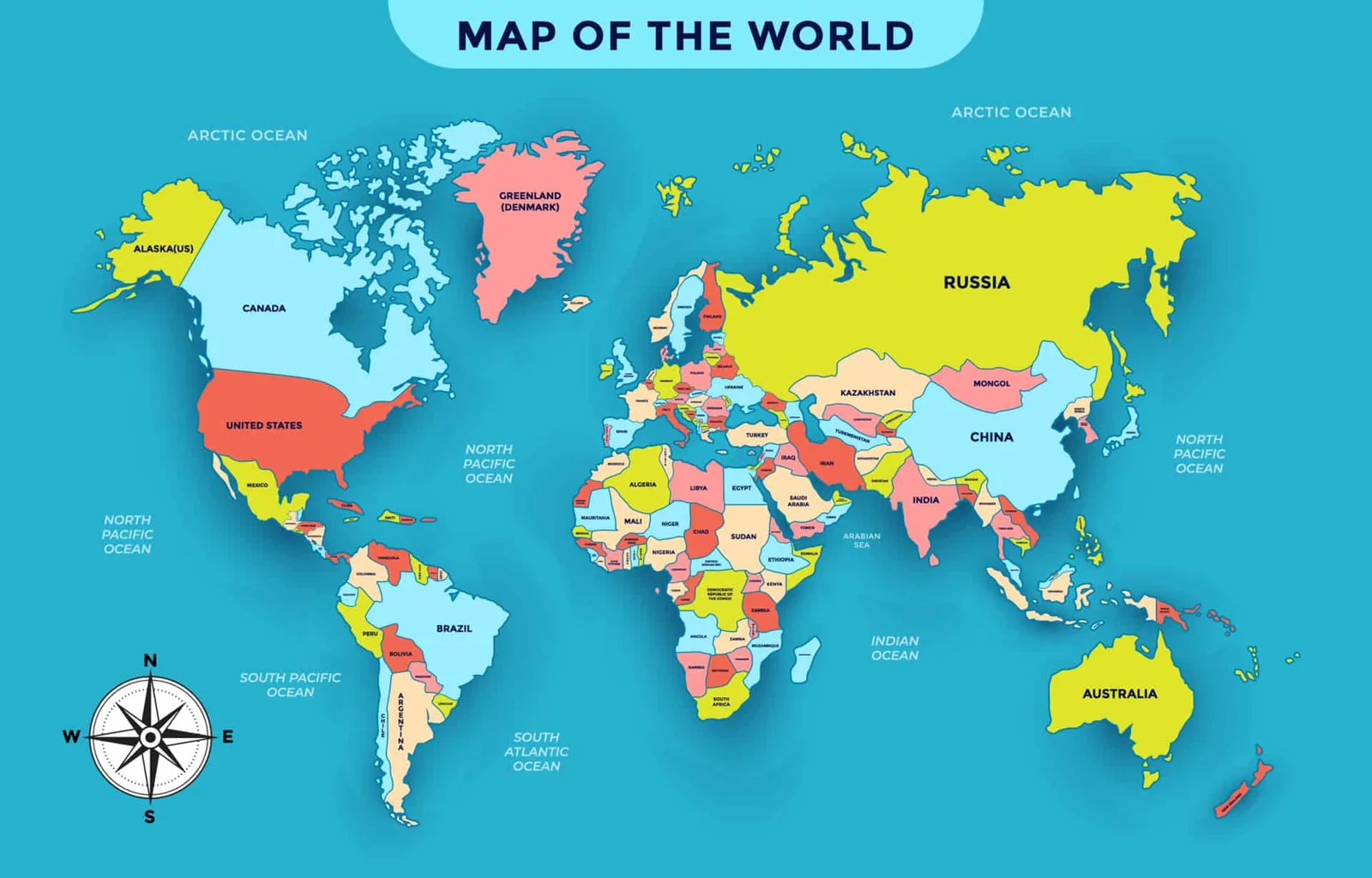

“Stay updated with the latest insights, highlights, and key takeaways from global conferences and business meetings.”

Deterministic thinking has recognised the influence that the environment has on the spread of diseases (A...
View More
Aquaculture of Nile tilapia (Oreochromis niloticus) has faced challenges from pathogens such as the emerg...
View More
The COVID Information Commons (CIC) was funded by the U.S. National Science Foundation (NSF) in 2020 to d...
View More
This PowerPoint presentation examines how political partisanship in the United States influenced the Covi...
View More
Background: Epidemiological models are essential for understanding infectious disease dynamics and suppor...
View More
Antimicrobial resistance is an escalating global health concern that severely compromises the management ...
View More
Cryptococcosis is a life-threatening disease caused by environmental fungi of the Cryptococcus genus. It ...
View More
The study examines the capabilities and effectiveness of Artificial Intelligence (AI) in Disability Manag...
View More
The classical susceptible-infected-recovered (SIR) model proposed by Kermack and McKendrick in 1927 has b...
View More